
Each year, on the 1st of March, the world comes together to observe Zero
Discrimination Day—a day dedicated to promoting equality, challenging
stereotypes, and breaking down divisive social barriers. Discrimination
affects every corner of society, limiting growth and development in
individuals and communities. One of the most critical areas where its
impact is felt is education. It is the foundation of young people’s
understanding of the world, shaping their perceptions and enabling them
to access all it has to offer. Therefore, discrimination in these settings can
be catastrophic to young people who may feel limited, unseen or unheard.
Sowing Seeds is passionate about creating learning environments where
every child is valued, supported, and empowered to succeed with zero
tolerance for discrimination every day of the year.
Education: A Key to Equality
Education has the power to transform lives. It equips young people with
the skills and knowledge they need to thrive and offers opportunities to
break free from cycles of inequality. However, when discrimination enters
the classroom—whether overtly or through systemic barriers—it can
deprive children of their right to learn and grow. Figures released by
UNESCO reveal that over 260 million young people are out of education
around the world, with the most recent statistics showing an estimated
increase of over 23,000 more children out of education in the UK between
2022 and 2023.
For many students, the challenges of discrimination extend beyond the
obvious. Children with mental health issues or additional learning needs
often face significant hurdles in traditional school settings. A lack of
understanding, resources, or tailored support can leave them feeling
isolated and struggling to reach their full potential.
These barriers can manifest in various ways:
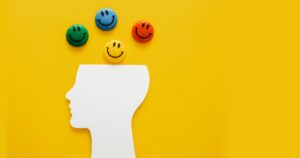
Stigma around mental health: Students experiencing anxiety,
depression, or other mental health challenges may be
misunderstood or labelled as disruptive, rather than receiving the
support they need.
Inadequate support for additional learning needs: Children
with conditions like ADHD, autism, or dyslexia may not have access
to the tools and strategies that enable them to learn effectively,
leading to frustration and underachievement.
Cultural and linguistic discrimination: Students from diverse
backgrounds may face language barriers or unconscious bias,
further impacting their ability to thrive academically.
Creating Inclusive Learning Environments